Telegram:@smsxcg
WhatsApp:+1(305)6290111
Address:1600 Pennsylvania Ave NW,Washington,DC20500,USA


SHANGHAI, Feb. 28 (Xinhua) -- At 9 a.m. sharp, when much of Shanghai is just settling into its workday rhythm, 84-year-old Cao Jin'gen is already midway through his daily exercise routine.
Cao doesn't work out in a park or on a high-performance treadmill, but on a gently humming vibration platform inside a specialized fitness center in Qingpu District.
There are no clanging barbells or pounding soundtracks here. Instead, movements are measured, machines are modified, and every detail is calibrated for safety. This is not a conventional gym. It is exercise redesigned for age, and a glimpse into how China's silver economy is stretching into new sectors.
As China's population ages at speed, its roughly 300 million seniors are trying to find new ways to grow old with dignity, purpose and good health. Physical fitness for seniors has emerged as one of the pillars of that shift, as well as a new frontier for both public policy and private enterprise.
According to a 2024 report on China's silver economy, spending on elderly sports and fitness is expected to exceed 800 billion yuan (about 115.56 billion U.S. dollars) by 2030. Yet behind the headline numbers is a market still in search of a sustainable model.
RISING DEMAND, RESHAPED SUPPLY
Cao is a regular at the Qingpu elderly sports and health center, which is part of a growing network of facilities designed specifically for seniors.
Having been diagnosed with a heart valve condition, he now avoids strenuous exercise and relies on age-adapted equipment such as vertical vibration platforms, which promote circulation and reduce fall risks.
"Fifteen minutes per session, twice a day, followed by time on a vibration sofa to relax my muscles and stimulate digestion," Cao said, adding that this has become as essential as his morning tea.
Nearby, 65-year-old Xie Guiping stretches his shoulders on an intelligent scapular trainer. Managing hypertension and diabetes, he travels daily from another subdistrict, spending two to three hours exercising under staff supervision.
"Four years ago, even basic stretching felt daunting," he remembers. Today, his blood pressure and glucose levels are markedly more stable.
Facilities like this are multiplying. Shanghai alone had built 200 elderly sports and health centers by the end of 2025. Each follows standardized guidelines, with six functional zones, age-friendly equipment, and trained staff holding certifications in community sports or emergency first aid.
"Elderly fitness is not a downgraded version of regular gym activities," said Zheng Yongjun, director of the Pain Department at Huadong Hospital. "It is a specialized discipline combining geriatrics, sports rehabilitation, ergonomics and psychology."
This specialization matters. Many seniors live with chronic conditions, making personalized programs essential, according to Zheng.
NEW ENGINE FOR SILVER ECONOMY
The rise of elderly fitness is also energizing a broader industrial chain, spanning equipment manufacturing, services innovation and digital health.
Shangti Health Technology, a Shanghai-based company founded in 2008, began as a standard fitness-equipment supplier. In 2014, it pivoted toward elderly health promotion. Today, it operates more than 100 venues nationwide.
Its age-friendly machines are designed to balance safety with effectiveness, gaining popularity in the niche market, according to Zhang Yabo, an executive of the company.
For example, Zhang said, the company's recumbent exercise bikes for the elderly feature widened seats and lumbar support. Walking machines start at speeds as low as 0.1 kilometers per hour, with extended handrails and dual emergency stop buttons.
"Currently, the center facilitates about 17,000 visits annually, with roughly 50 to 60 seniors coming to exercise each day," said Zhang Shuhong, the manager of the Qingpu elderly sports and health center.
The value of these facilities extends beyond commerce. In Yangpu District, a sports-health integration model links fitness centers with community clinics. Doctors prescribe exercise for patients with mild chronic conditions, who then train under professional supervision and return for follow-up evaluations.
According to official data, the model has led to a 28 percent improvement in blood sugar control among diabetic seniors, easing pressure on medical insurance funds.
BARRIERS TO THE BOOM
For all the enthusiasm surrounding elderly fitness, the sector's expansion reveals structural strains beneath the surface. Industry observers cite a weak willingness to pay, a patchy talent supply and uncertain long-term viability as factors that could constrain the buoyant market.
The most immediate bottleneck is a weak willingness to pay among seniors. "Seniors who are both willing and able to pay high prices for professional fitness services remain a minority," said Wang Liang, deputy general manager of Shangti Health Technology.
While membership retention at Shanghai's elderly fitness centers is relatively strong, proactive spending on specialized services is limited. As a result, many operators remain heavily dependent on government subsidies to balance their books.
Supply is no less uneven. Facilities that combine professional expertise with age-friendly design remain scarce, and mainstream gyms often view elderly clients more as liabilities than opportunities. In Shanghai's Xuhui District, several fitness centers told reporters that they do not admit customers over the age of 70, citing safety risks and thin margins.
Human capital presents another constraint. Elderly fitness demands an unusual blend of skills, including sports science, geriatric medicine, psychology and first aid.
"The bar is high," said Yin Zhigang, head of the expert advisory committee of the Shanghai elderly care services association. Yet university programs have been slow to adjust, and formal training pathways remain underdeveloped. Many practitioners lack systematic theoretical grounding, leading to uneven service quality.
"Addressing these weaknesses will require coordinated action," Yin noted. "The government should sustain and refine supportive measures," he said. "Families should also be encouraged to support seniors in investing in their health, helping to foster a broader consensus around the idea of fitness in later life."



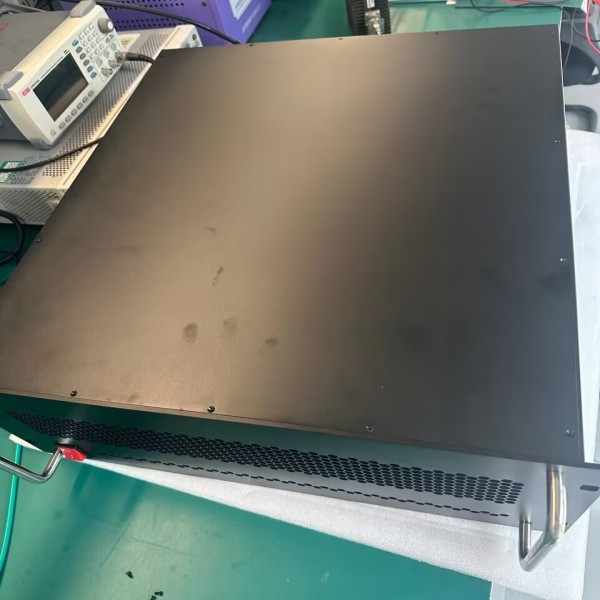
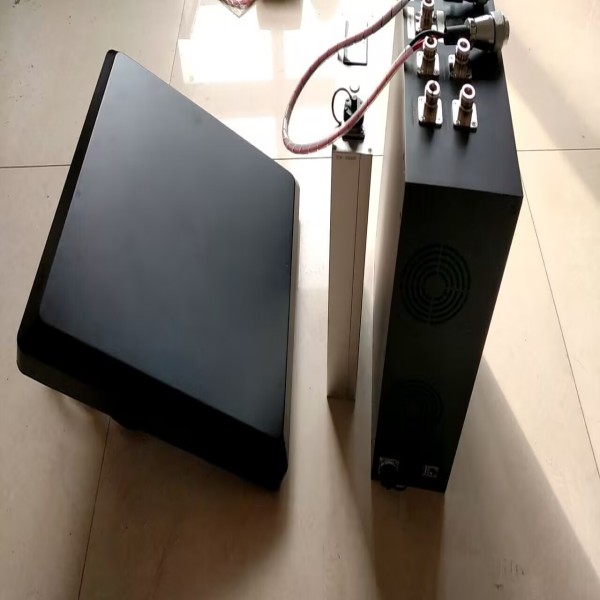
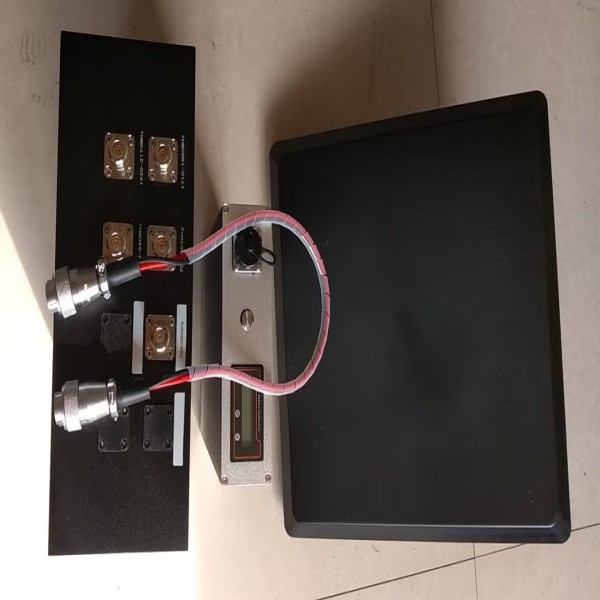
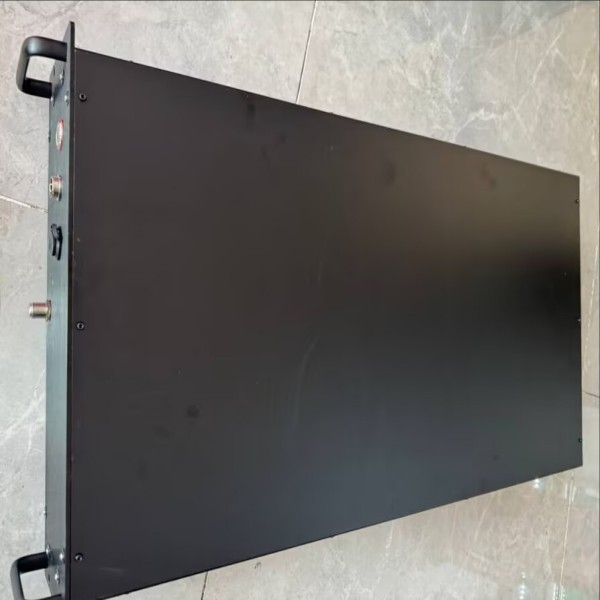
Sms Blaster Machine Famous Manufacturer.sms broadcaster machine price,sms blasting machine,SMS Broadcaster Machine,Bulk SMS Blaster,SMS Free Blasting Broadcast Machine.Sms Blaster Machine Can Bulk SMS automatically around you with radius 1000m-3km.We specializes in providing cutting-edge SMS advertising marketing equipment that allows businesses to reach their target audience more effectively!
Telegram:@smsxcg
WhatsApp:+1(305)6290111
Address:1600 Pennsylvania Ave NW,Washington,DC20500,USA