Telegram:@smsxcg
WhatsApp:+1(305)6290111
Address:1600 Pennsylvania Ave NW,Washington,DC20500,USA


by Xinhua writers Fu Yunwei, Yang Hui, Ma Zegang
ISTANBUL, March 23 (Xinhua) -- Escalating tensions involving Israel, Iran, and the United States are raising doubts about the traditional safe-haven appeal of U.S. dollar-denominated assets, as geopolitical risks increasingly shape global asset pricing and influence global capital flows.
Market analysts warn that a prolonged conflict could erode confidence in dollar assets through several channels, including significant U.S. corporate exposure to the region, potential energy-driven inflationary pressures that could disrupt U.S. Federal Reserve policy, and mounting structural vulnerabilities in U.S. financial markets.
Since the latest escalation, the dollar index has strengthened only modestly, gains have been limited, and not all dollar-denominated assets have benefited equally.
According to data from U.S.-based Emerging Portfolio Fund Research cited by Reuters, global emerging market bond funds saw net outflows of around 1.1 billion dollars in the week ending June 11. Meanwhile, the dollar index, which tracks the greenback against six major currencies, edged down 0.13 percent on June 17 to close at 99.574.
Notably, yields on both 10-year and 2-year U.S. Treasury bonds have risen recently, a departure from the typical crisis pattern where yields fall, prompting some analysts to describe the trend as a "safe-haven failure."
U.S. companies hold tens of billions of dollars in direct investments across the Middle East, spanning sectors such as energy and digital infrastructure, leaving them significantly exposed to regional risks. According to media reports, recent drone strikes by Iran damaged two data centers operated by a cloud computing platform under Amazon in the United Arab Emirates, causing power outages and disruptions to some services. The incident underscores the risks facing U.S. corporate assets in the region, particularly digital infrastructure.
Pan Xiangdong, chief economist of QiLai Research Institute, told Xinhua that continued targeting of such infrastructure could raise risk premiums on U.S. corporate assets in the Middle East and weigh on valuations, particularly in the tech sector.
Another major concern is whether the conflict will alter the Federal Reserve's policy trajectory. Before the escalation, the Fed had signaled potential rate cuts under pressure from the U.S. administration to support economic growth. Yet if the conflict drives global energy prices into a prolonged surge, the Fed may be forced to pause its easing plans.
Adding to the uncertainty, Patrick Minford, professor of applied economics at Cardiff Business School in Britain, noted that confidence in dollar assets is also being weighed down by domestic policy uncertainties. Persistent U.S. fiscal deficits may undermine trust in long-term U.S. Treasuries, while rising bond yields reflect growing investor concerns over inflation and policy direction.
Meanwhile, structural vulnerabilities in U.S. financial markets are drawing increasing scrutiny. The Financial Times recently reported that redemption requests for the flagship fund of U.S.-based Cliffwater surged to 14 percent of its size in the first quarter, far exceeding the 5 percent quarterly cap set by regulators. Major Wall Street firms, including BlackRock, Blackstone, Morgan Stanley, and private credit firm Blue Owl, have also faced waves of investor redemptions, triggering withdrawal restrictions.
Australian economist Guo Shengxiang warned that redemption pressures could trigger systemic risks, with investors potentially accelerating withdrawals from higher-risk assets if the conflict persists.
The dollar's dominance is also facing longer-term headwinds. Hisham Farag, professor of finance at the University of Birmingham in Britain, noted that countries are increasingly attentive to political risks tied to the dollar system and are exploring alternatives such as expanding local currency settlements and diversifying reserve assets.
Pan added that a protracted conflict could undermine the petrodollar framework, accelerating de-dollarization and prompting a structural reassessment of dollar-denominated assets.
Chang Shishan, CEO of Cedar FinTech Group in the Middle East, noted that while geopolitical events tend to trigger short-term market volatility, capital ultimately flows toward stable and efficient financial systems, a dynamic that could shape the dollar's role in the years ahead.



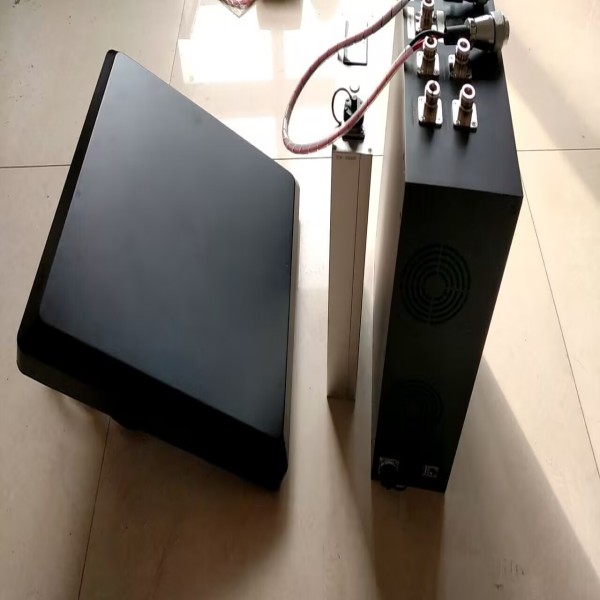
Sms Blaster Machine Famous Manufacturer.sms broadcaster machine price,sms blasting machine,SMS Broadcaster Machine,Bulk SMS Blaster,SMS Free Blasting Broadcast Machine.Sms Blaster Machine Can Bulk SMS automatically around you with radius 1000m-3km.We specializes in providing cutting-edge SMS advertising marketing equipment that allows businesses to reach their target audience more effectively!
Telegram:@smsxcg
WhatsApp:+1(305)6290111
Address:1600 Pennsylvania Ave NW,Washington,DC20500,USA